-
1
1. Choose your scale & production model
This analysis models a single-batch cycle: inoculate 2,000 jars together in a 10×10 ft (100 sq ft) room, harvest them together, then clean and reset the whole room for the next batch. This is simpler to manage than a rolling/staggered line, but it means the entire room sits idle during changeover — which is exactly why you get 4–5 batches a year, not the 6–8 you could theoretically fit if cycles were continuously staggered across multiple smaller rooms.
-
2
2. Build the full CapEx checklist
A commercial-grade setup costs more than a bare-bones DIY one: proper air conditioning, a real Laminar Air Flow (LAF) bench instead of a still air box, a BOD incubator-shaker for liquid culture, a multi-tiered rotary shaker, and insulated PUF-panel construction all add real cost — but also real reliability at 2,000-jar scale.
-
3
3. Budget every recurring cost, including rent
Electricity, lab chemicals and substrate are the obvious ones. Two that are easy to forget: HPLC lab testing (₹3,500–₹15,000 per batch, to prove your cordycepin content) and rent — if you don't already own or have free access to a space, a 100–200 sq ft room typically costs ₹8,000–₹20,000/month depending on city and locality. Model your OWN rent situation; don't assume it's free.
-
4
4. Understand your two selling paths
B2B wholesale (selling raw dried cordyceps to pharma/Ayurvedic buyers in bulk) is simple but low-margin — and can be barely profitable or even loss-making once real rent is included. B2C retail (packaging into small premium jars and selling direct) has 2–3x the revenue potential, but needs a real brand, real packaging, and either a selling platform or your own marketing effort.
-
5
5. Certify your quality before you price it
Your selling price is decided almost entirely by your HPLC-verified cordycepin content. Above 1% (10 mg/g) unlocks pharma/premium pricing; 0.4–0.9% is standard commodity pricing. Get one representative sample tested per batch at a NABL-accredited lab — you don't need to test every jar.
-
6
6. Run the payback numbers honestly
Use the calculator below with YOUR real assumptions — your rent, your achievable price, your realistic yield — before committing capital. Government (ICAR) economic analysis found small-scale cordyceps units can face a negative margin of safety, so a conservative, honest model matters more than an optimistic one.
-
7
7. Register with FSSAI the right way
At this scale (a few kilograms to low tens of kilograms of dried product per year) you almost certainly qualify for FSSAI Basic Registration — ₹100/year, or ₹500 for five years — rather than a State or Central license. Register before you sell, not after.
Quick answer: a full commercial 2,000-jar setup costs roughly ₹6.95 lakh in one-time equipment, plus ₹1.84 lakh/year in recurring costs (before rent). Whether it's profitable depends almost entirely on your selling price and whether you pay rent — see the honest scenario comparison and calculator below before you spend a rupee.
A note on production model
This analysis models a single-batch cycle: inoculate 2,000 jars together in a 10×10 ft room, harvest them together, then clean and reset the whole room. That's why the cycle count here (4–5/year) is lower than the "6–8 cycles" mentioned in our equipment guide, which assumes smaller, staggered batches. Both are valid approaches — this one is simpler to manage; a staggered/multi-room approach can produce more per year but needs more space and more careful scheduling.
Full capital setup cost (CapEx)
For a 10×10 ft (100 sq ft) room fitted out to hold roughly 2,000 jars on vertical racks (6–7 tiers). This equipment lasts several years before replacement.
| Item | Cost |
|---|---|
| 2× All-weather split ACs (1.5 ton) | ₹1,00,000 |
| Laminar Air Flow (LAF) bench | ₹1,12,500 |
| Insulated PUF panels (50–80mm) | ₹97,500 |
| Autoclave (automated, double-layer SS) | ₹85,000 |
| Autoclavable culture bottles (2,000 pcs) | ₹75,000 |
| BOD incubator-shaker / culture fridge | ₹90,000 |
| Heavy-duty multi-tiered racks | ₹45,000 |
| Multi-tiered rotary shaker (20–40 bottle) | ₹45,000 |
| Mushroom dehydrator / tray dryer | ₹22,500 |
| LED grow lights & wiring | ₹17,500 |
| Precision lab tools, scales & sterilizers | ₹5,500 |
| Total one-time investment | ₹695,500 |
Key equipment for a commercial-scale setup
These items go beyond the starter-tier equipment already covered in our Equipment & Budget Guide — the upgrades that matter once you're running a real 2,000-jar commercial batch.
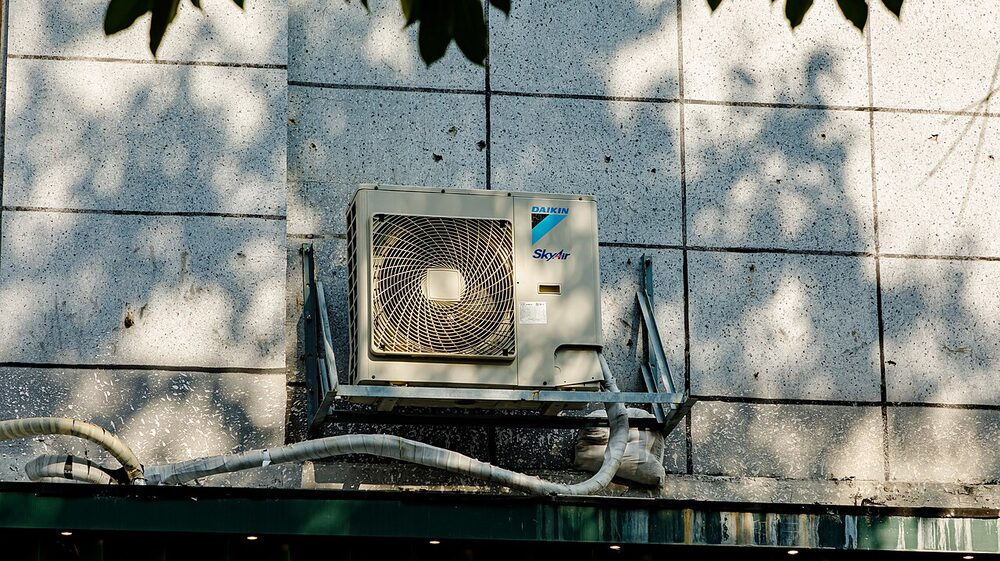
2× All-Weather Split ACs (1.5 ton)
Holds the incubation and fruiting rooms at a steady 15–24°C year-round — the single biggest driver of your electricity bill, but non-negotiable at commercial scale.
Specs: 1.5 ton, all-weather/low-temperature operation (can run efficiently even in cold ambient conditions), inverter type recommended for lower running cost.
Where to buy: Any major AC brand (Daikin, Voltas, Hitachi, LG) via a local dealer or IndiaMART — look specifically for "all-weather" or "low ambient" models, not standard split ACs.
₹50,000 / unit (₹1,00,000 for 2)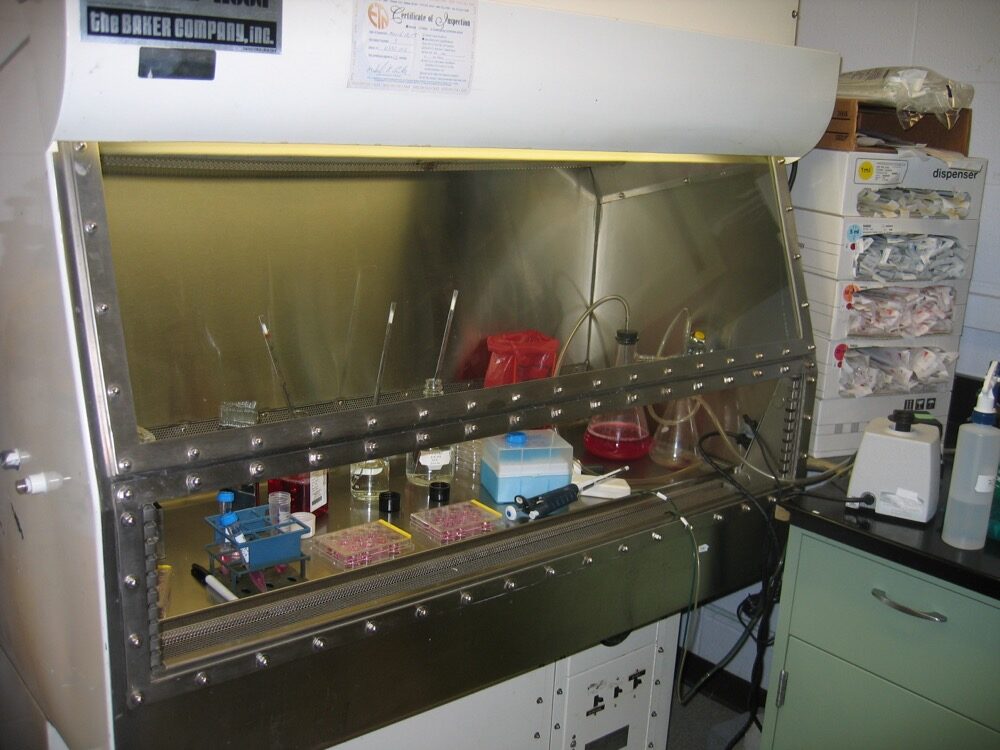
Laminar Air Flow (LAF) Bench
A proper HEPA-filtered sterile workspace for inoculation at commercial volume — a step up from a budget still-air-box, giving far lower contamination rates when processing thousands of jars.
Specs: HEPA-filtered horizontal or vertical airflow, stainless steel work surface, UV lamp built in.
Where to buy: IndiaMART/TradeIndia "laminar air flow mushroom" — mushroom-specific units from ₹85,000–98,000; bare (non-mushroom) LAF benches exist from ₹15,000 but lack the same build quality.
₹75,000 – ₹1,50,000
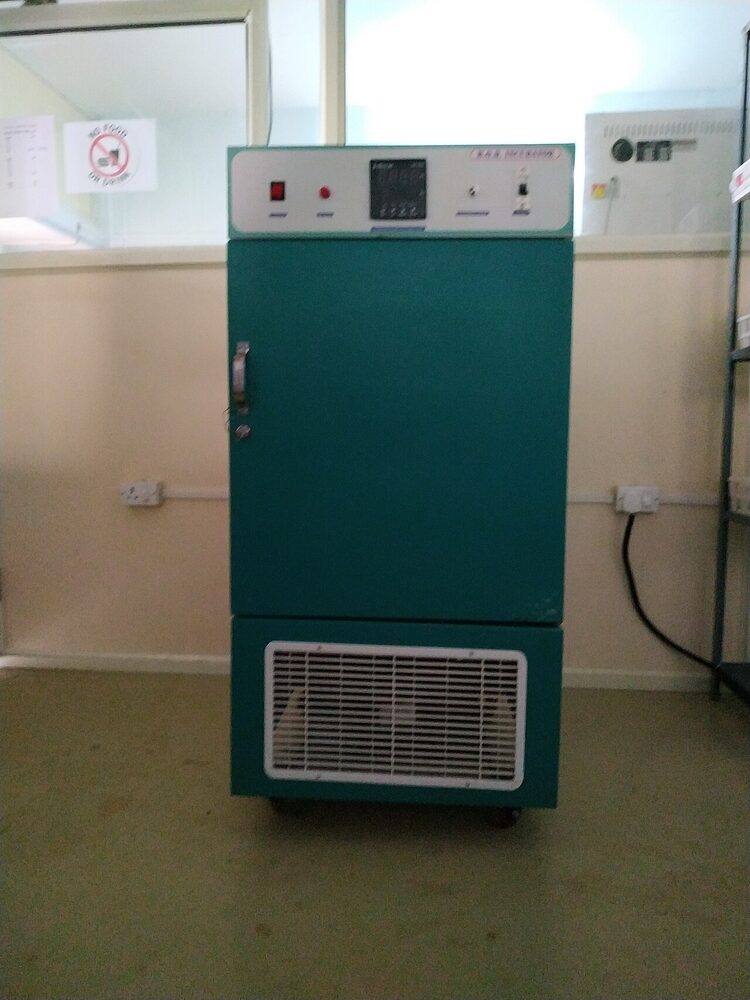
BOD Incubator-Shaker / Culture Fridge
Provides precise, stable temperature for liquid-culture growth and mother-culture storage — a proper lab-grade BOD (Biochemical Oxygen Demand) incubator, not just an insulated room.
Specs: Digital temperature control (typically 4–60°C range), often combined with a built-in shaker for liquid culture; refrigerated storage for backup mother cultures.
Where to buy: IndiaMART "BOD shaker incubator" — combo shaker-incubator units start around ₹60,000; established lab-equipment manufacturers price baseline units from ₹85,000+.
₹60,000 – ₹1,20,000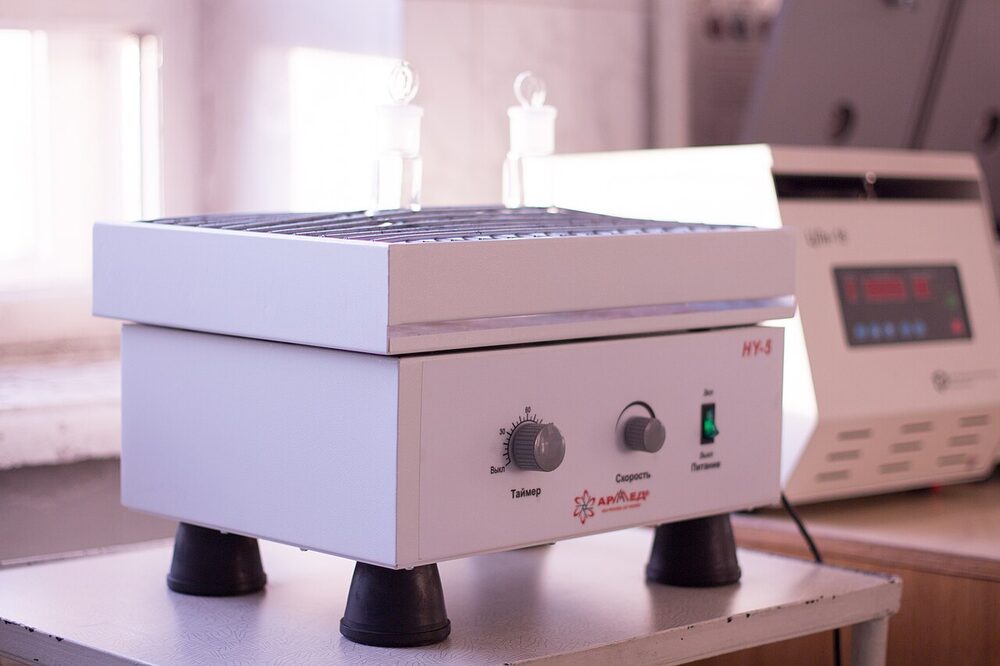
Multi-Tiered Rotary Shaker
Rapidly produces liquid spawn in bulk — essential at 2,000-jar scale, where a small single-flask shaker would create a severe bottleneck before every batch.
Specs: 20–40 bottle/flask capacity, multiple tiers, adjustable RPM.
Where to buy: IndiaMART "rotary shaker" — suppliers price by flask-count model (e.g. 12/18/24/36-flask tiers); get a direct quote for the exact capacity you need. A smaller 10–20 bottle shaker runs ₹15,000–20,000 but will bottleneck a 2,000-jar operation.
₹40,000 – ₹50,000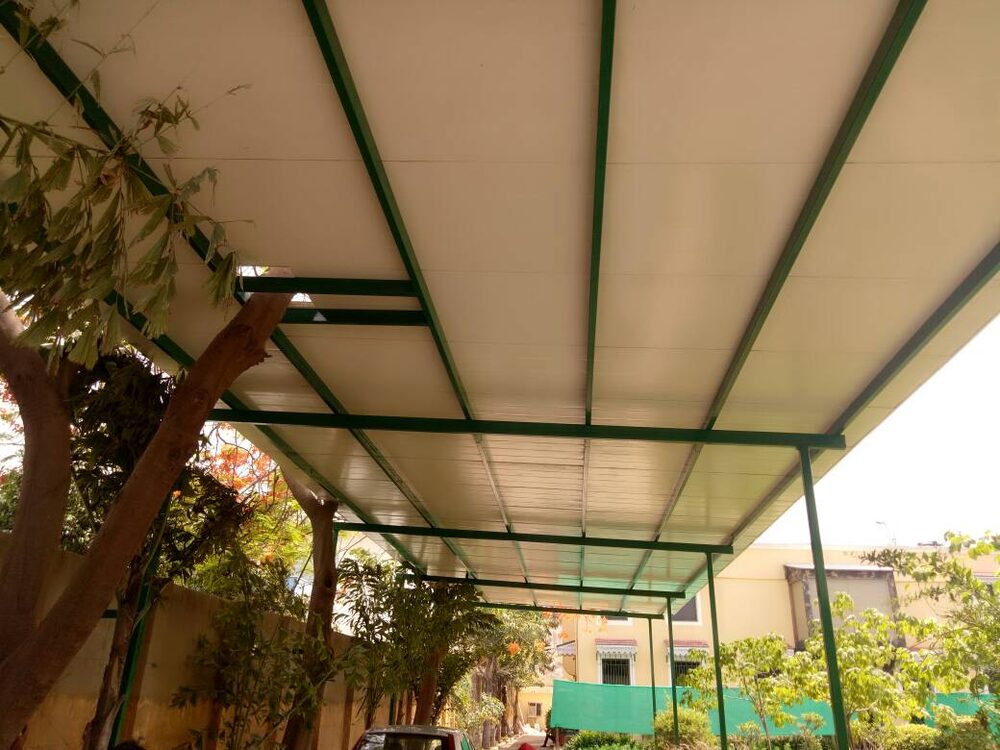
Insulated PUF Panels (50–80mm)
Builds an insulated grow-room shell that keeps external heat out and holds your AC's cooling in — directly reduces your electricity bill and keeps temperature/humidity stable.
Specs: 50mm to 80mm polyurethane foam (PUF) sandwich panels, for walls and ceiling of the sterile/incubation/fruiting zones.
Where to buy: IndiaMART/TradeIndia "PUF panel" or "PUF sandwich panel" — total cost depends heavily on your room's actual dimensions; get a quote based on your specific floor plan.
₹119–150/sq ft (panel only), ₹175–310/sq ft installedYear 1 recurring cost (OpEx) — excluding rent
| Item | Annual cost |
|---|---|
| Electricity (2 ACs + autoclave + humidifier, continuous use) | ₹1,02,000 |
| Substrate raw materials (rice/millet, jars, pouches) | ₹25,000 |
| Lab chemicals & nutrients (dextrose, peptone, yeast extract, agar) | ₹22,000 |
| HPLC quality testing (1 sample/batch × 5 batches, regional NABL lab) | ₹35,000 |
| Total (excluding rent) | ₹184,000 |
Rent is a variable, not a constant. If you already own or have free access to a suitable space, your rent is ₹0 — a genuine and significant advantage. If you need to rent, a 100–200 sq ft room typically costs ₹8,000–₹20,000/month (₹96,000–₹2,40,000/year) depending on city and locality. The scenarios and calculator below use a ₹15,000/month (₹1,80,000/year) example — adjust it to your own situation.
Three honest scenarios
| Scenario | Annual dry yield | Price | Revenue | Total costs | Net profit | Payback period |
|---|---|---|---|---|---|---|
| Conservative — B2B wholesale, 4 cycles/yr, paying market rent | 8 kg | ₹30,000/kg | ₹2,40,000 | ₹364,000 | Loss | — |
| Moderate — B2C retail, 4 cycles/yr, paying market rent, blended price | 8 kg | ₹70,000/kg | ₹5,60,000 | ₹364,000 | ₹1,96,000 | ≈ 3.5 years |
| Optimistic — B2C retail, 5 cycles/yr (ICAR-fast protocol), established brand, paying market rent | 10 kg | ₹1,00,000/kg | ₹10,00,000 | ₹364,000 | ₹6,36,000 | ≈ 13 months |
All three scenarios include a ₹15,000/month market-rate rent example. The conservative wholesale scenario is a genuine loss at these assumptions once real rent is included — this is the core reason a pure wholesale strategy is risky at this scale. B2C retail with an established brand is what makes the ₹6.95 lakh investment pay back quickly.
Try your own numbers
Adjust the assumptions below — everything recalculates instantly.
⚠️ 5 cycles/year is the optimistic case — needs the faster ICAR-protocol timeline and excellent discipline.
Annual dry yield
Gross revenue
Total annual costs
Net profit / payback
Market prices: what actually decides what you can charge
Domestic (India)
| Product | Price range |
|---|---|
| Wild Himalayan Yarsagumba (Ophiocordyceps sinensis) | ₹15–22 lakh/kg (genuine wild-harvested) |
| Lab-grown Cordyceps militaris — B2B bulk, unbranded | ₹22,000 – ₹40,000/kg |
| Lab-grown militaris — premium, lab-verified high-cordycepin bulk | ₹25,000 – ₹1,00,000/kg |
| Lab-grown militaris — B2C retail (small jars) | ₹80,000 – ₹1,50,000/kg equivalent, up to ₹3–5 lakh/kg for premium certified/branded product |
⚠️ Anything advertised as genuine "wild Himalayan" cordyceps priced well under ₹50,000/kg is almost certainly mislabeled cultivated stock, not real wild-harvested sinensis.
Export
| Product | Price range |
|---|---|
| International bulk B2B, standard grade | roughly $10 – $200/kg (premium-verified lots up to ~$1,000/kg) |
| International B2C retail (small packs) | roughly $1,200 – $2,500/kg equivalent (illustrative — not independently confirmed) |
Low-cost mass-produced imports (from large-scale industrial bioreactor operations, mainly China) can trade as low as roughly $10–25/kg in bulk B2B marketplaces. Competing head-on with that volume game is difficult for a small Indian producer — the realistic strategy is targeting the "organic, high-cordycepin, hand-processed" niche instead, backed by an HPLC certificate.
Getting your quality certified: HPLC testing
HPLC (High-Performance Liquid Chromatography) testing quantifies the exact percentage of Cordycepin and Adenosine in your dried harvest — the number that decides which price tier you can sell into.
- Sampling: take a random 20–50 g sample from your dried batch, crush to a coarse powder, and seal in a sterile airtight bag.
- Where to test: a regional NABL-accredited analytical lab typically charges ₹3,500 – ₹15,000 per sample, 3–10 working days turnaround. Major international certification labs (SGS, Eurofins, Intertek) offer more formal, export-grade certified reports, but usually at a significantly higher cost — often ₹40,000 or more — and are generally only worth it once you're targeting export or GMP-grade contracts.
- What the number means: above 1.0% (10 mg/g) cordycepin unlocks premium/pharma-grade pricing (₹50,000+/kg bulk); 0.4–0.9% is standard commodity pricing (₹22,000–₹40,000/kg).
- Frequency: one sample per harvest batch is enough — you don't need to test every jar.
FSSAI registration: the correct criteria
Because cordyceps is sold as a food/supplement product, operating without an FSSAI registration is illegal. At the production scale this page covers (a few kilograms to a few tens of kilograms of dried product per year), you almost certainly qualify for the lightest tier:
- FSSAI Basic Registration applies if EITHER (a) your annual turnover is ≤ ₹12 lakh, OR (b) your production capacity is ≤ 100 kg/litre per day as a "petty food manufacturer" — whichever you qualify under. A 2,000-jar batch every 2–3 months is comfortably under both thresholds.
- Government fee: ₹100/year, or ₹500 for a five-year registration.
- Above ₹12 lakh turnover (or larger production volumes), you move up to a State License, and above ₹20 crore turnover to a Central License.
Note: some online sources describe a "12 metric tons/year" production threshold for Basic Registration — this is not correct. The actual capacity-based criterion is 100 kg/day, and the turnover-based criterion is ₹12 lakh/year; either qualifies a small producer. Always confirm current rules directly on foscos.fssai.gov.in before registering.
Do's
- Model YOUR OWN rent, real estate and utility costs — don't copy someone else's free-space assumption.
- Include HPLC testing, packaging and (if going B2C) basic marketing costs in your financial model from day one.
- Get a buyback contract or a committed buyer lined up — ideally above ₹65,000/kg equivalent — before buying commercial-scale equipment.
- Test one representative sample per batch for cordycepin content; use the result to price honestly.
- Plan for 4 cycles/year as your safe baseline; treat 5 as an upside case that needs excellent discipline.
- Register for FSSAI Basic Registration before you sell anything.
Don'ts
- Don't assume you'll achieve premium retail pricing (₹1,00,000+/kg) in year one with no brand or track record.
- Don't commit ₹6–7 lakh of commercial-scale capital before proving your process at smaller scale.
- Don't rely on a pure wholesale strategy if you're paying market-rate rent — the margins are too thin at conservative yields.
- Don't skip HPLC testing — without it, buyers have no reason to pay above commodity bulk price.
- Don't confuse "12 metric tons" with the real FSSAI thresholds (₹12 lakh turnover or 100 kg/day) when registering.
Frequently asked questions
I already have free access to space (a family property, etc.) — does the math change?
Yes, significantly. Removing ₹1,80,000/year of rent from the "moderate" scenario above roughly doubles the profit and cuts payback from ~3.5 years to under 2. Free or subsidized space is a genuine, valid advantage — just don't assume you have it when planning for a rented unit, and don't assume it will stay free indefinitely.
Why does this page use different cycle-per-year numbers than the equipment guide?
The equipment guide describes a smaller, beginner-friendly rolling setup (continuous small batches). This page models a single large 2,000-jar batch cycle in one room — simpler to run, but the whole room is idle during cleaning/reset, which caps you at roughly 4–5 cycles/year rather than the 6–8 theoretical cycles a staggered, multi-room setup could achieve.
Is 5 crop cycles a year realistic?
Only if you're consistently hitting the faster end of the range — India's ICAR protocol reports 35–40 days fruiting on brown rice substrate, which leaves 33–38 days for cleaning, resterilizing and recolonizing the next batch. Using the more commonly-cited 45–70 day cycle instead, that slack shrinks to as little as a few days — very tight for a 2,000-jar commercial reset. Plan for 4 cycles/year as your safe baseline and treat 5 as an upside case that depends on excellent operational discipline.
Do I need to test every jar for cordycepin content?
No. Test one representative sample per batch (roughly every 73–90 days) — that's 4–5 tests a year, which is what the OpEx table above budgets for.
Is the ₹6.95 lakh CapEx a hard requirement to start at all?
No — that's the cost for a full commercial 2,000-jar setup with proper AC, LAF bench and BOD incubator. Our separate Equipment & Budget Guide covers a leaner starter setup from roughly ₹1–1.5 lakh using a still air box and a large pressure cooker instead. Start there if you want to prove the process before committing this level of capital.
What if I can't find a buyer at these prices?
This is the single biggest real-world risk this model doesn't capture: it assumes you CAN sell your full harvest at the stated price. Before investing in commercial-scale equipment, try to line up a buyback contract or a committed buyer — ideally above ₹65,000/kg equivalent — so your revenue isn't a guess.
Does this include marketing or platform costs for the B2C path?
Not explicitly — building a direct-to-consumer brand (photography, packaging design, a selling platform, initial customer acquisition) has a real cost and time investment that isn't in the OpEx table above. Selling through an existing marketplace (like the seller panel on this site) can shortcut some of this, but budget time and a modest marketing spend regardless if you're building your own brand from scratch.
Ready to see it in the market first? Browse how similar products are packaged and priced in our shop, or if you'd rather sell through an existing platform instead of building your own brand from scratch, see Sell on Kida Jadi.
Want a head start?
Skip the lab setup with our beginner-friendly home grow kit — sterilized substrate, live culture and guide included.
Shop grow kits